
Two guides. One Africa.
We didn't set out to build a safari company.
We set out to build the kind of experience we wished existed.
Private. Unhurried. Culturally honest. Guided by people who were born into this land and who have chosen to spend their lives helping others understand it.
We believe safari is one of the most powerful forms of travel in the world. Not because of what you see, but because of what it does to how you see. A good safari changes the way you think about wildlife, about Africa, about your place in the natural world. We've built everything around that belief.
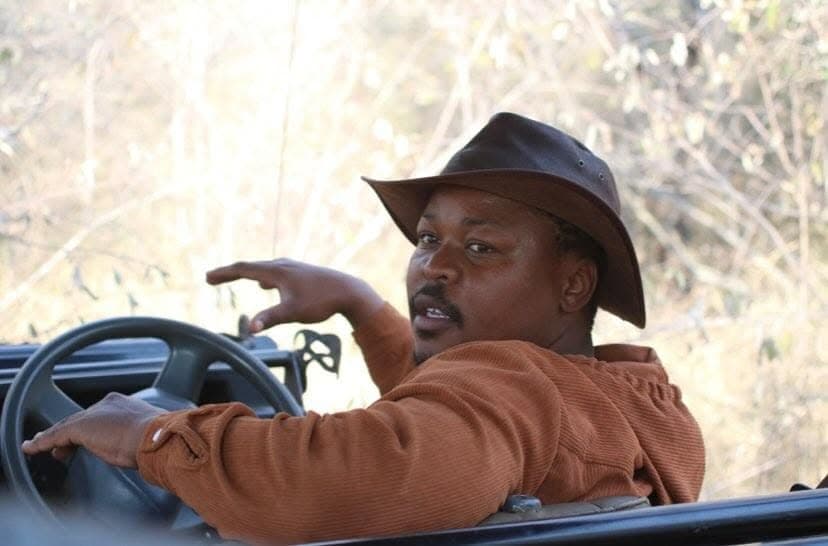
Khaya Tlou
Tracker. Storyteller. Ndebele.Khaya grew up in Mpumalanga, on the edge of the Lowveld. The bush wasn't a destination for him - it was the backyard. He learned to track from his grandfather before he could read. He learned the Ndebele names for plants and animals before their English ones.
His formal qualifications tell part of the story: FGASA-qualified, trained across multiple disciplines, with deep experience in the Greater Kruger. But the qualifications don't explain why guests consistently describe time with Khaya as one of the most affecting experiences of their lives.
He talks to you while you're watching a leopard as if it's the most natural thing in the world - because for him, it is. He finds meaning in small things. He laughs often. He wears his Ndebele heritage with a confidence that puts everyone around him at ease.
Khaya brings the tracking, the ethnobotany, the traditional knowledge, the storytelling. He is, in the fullest sense, at home.
- FGASA Field Guide, Level 2
- Specialist tracker
- Ndebele cultural practitioner
- Mpumalanga-born, bush-raised
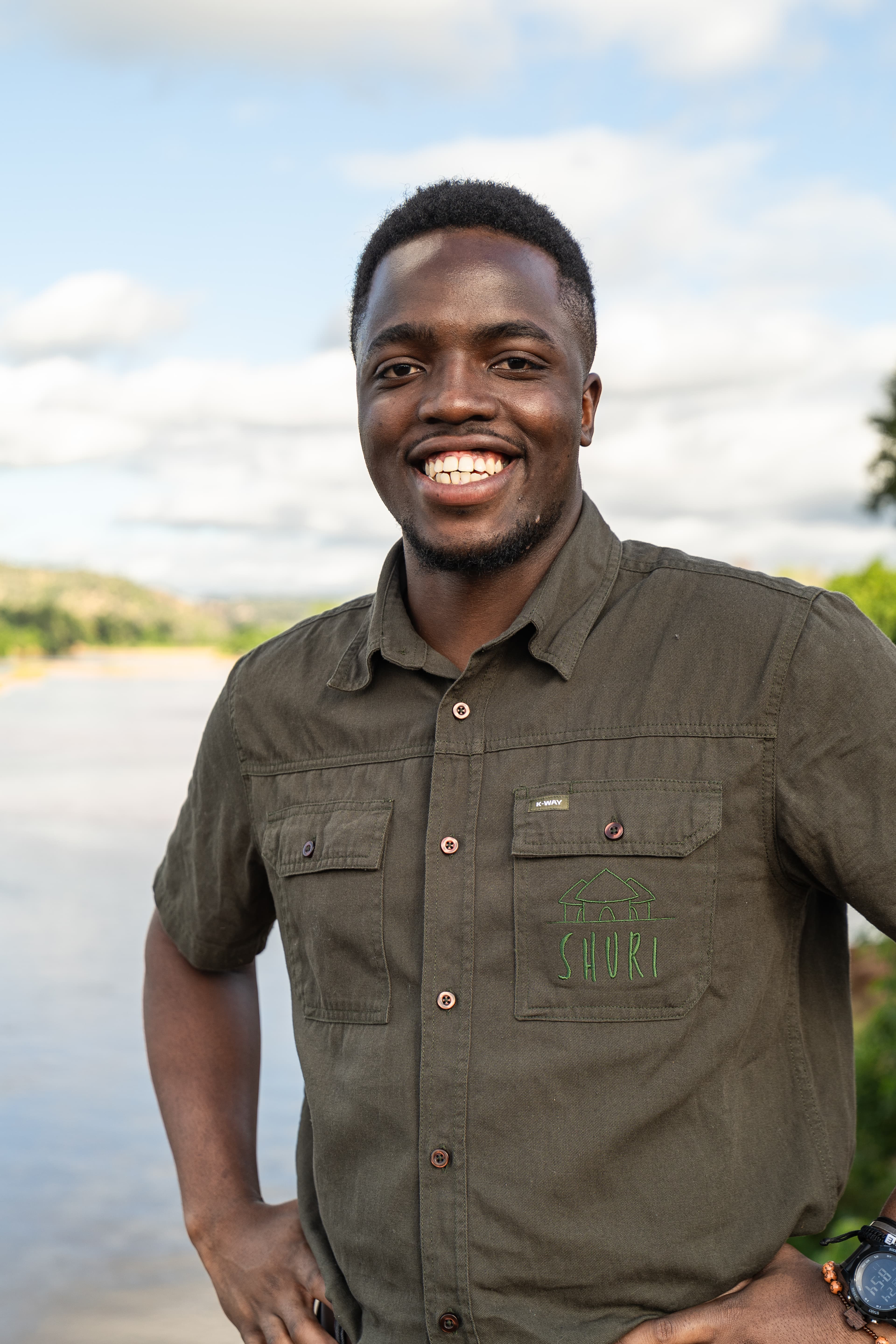
Bavukile Vilane
Guide. Entrepreneur. Swati/Zulu.Bavu grew up with a different kind of reference point. His father, Sibusiso Vilane, was the first Black African to summit Mount Everest - twice. The man who taught him that the boundaries other people set for you are not your boundaries.
Safari runs in Bavu's blood not as an inheritance but as a calling. He has been opening Africa to the world for most of his adult life - through guiding, through business, through the simple act of being present and curious and generous with his knowledge.
He brings warmth, sharp business intelligence, and a genuine passion for showing people what Africa can be when it's guided by someone who loves it. His Swati and Zulu heritage gives him a different lens than Khaya's Ndebele roots - which is exactly why they work together.
Bavu is the one who sees the person in front of him first and the guest second. He asks questions. He listens. He builds an experience around what you actually want.
- Professional safari guide
- Safari entrepreneur
- Swati and Zulu heritage
- KwaZulu-Natal and Mpumalanga background
Why together?
They didn't plan to become business partners. They became friends first, the way people in the bush do - through shared work, shared hardship, and eventually shared conviction.
Khaya tracks what Bavu interprets. Bavu builds relationships that Khaya deepens. On multi-day safaris, they swap roles. Each brings out something different in the guests, and in each other.
The partnership works because they genuinely like each other. That sounds simple. In safari, it's everything. Guests feel it. The energy in the vehicle is different. The conversations go further.
Why we wear our heritage
On selected drives and cultural safaris, you'll see us in traditional attire. Khaya in Ndebele beadwork and print. Bavu in Swati ceremonial patterns.
It isn't a uniform. It isn't a performance. It's a statement about who we are and what we think safari should be.
Africa has been shown to the world through other people's eyes for a long time. We wear our heritage because we want to be seen clearly - as African people guiding in Africa, proud of what that means.
It also starts conversations that nothing else does. Guests ask what the patterns mean. What the beads represent. Who taught us to wear it this way. The whole cultural half of what we offer begins with what you see us wearing when you get in the vehicle.

The vehicle
One open-sided game viewer. Designed for low visibility and intimacy. Not a bus, not a shared shuttle, not a vehicle that fits twelve strangers.
Our vehicle has open sides for unobstructed photography, a low profile for eye-level sightings, and enough space for your group to spread out and be comfortable. It's positioned - not just driven.
Every seat is a good seat because your guide knows where the light is coming from.
Where we operate
The Greater Kruger region. Mpumalanga Lowveld. One of the most biodiverse areas in Africa.
We focus here because we know it. Not theoretically - in the way you know a place you've spent years in. The specific waterholes where the elephants come in October. The ridge where the leopard raises her cubs. The community on the eastern edge where Khaya's family has lived for generations.
We don't spread ourselves thin. You come here, and we show you this place properly.
What we will never do
- Rush a sighting to get to the next one
- Share your vehicle with strangers
- Treat cultural knowledge as entertainment
- Make you feel like you're on a conveyor belt
- Pretend Africa is what the travel brochures say it is
- Miss an opportunity for the real conversation
Africa is waiting.
So are we.
Now that you know who we are, tell us who you are.
Plan Your Safari